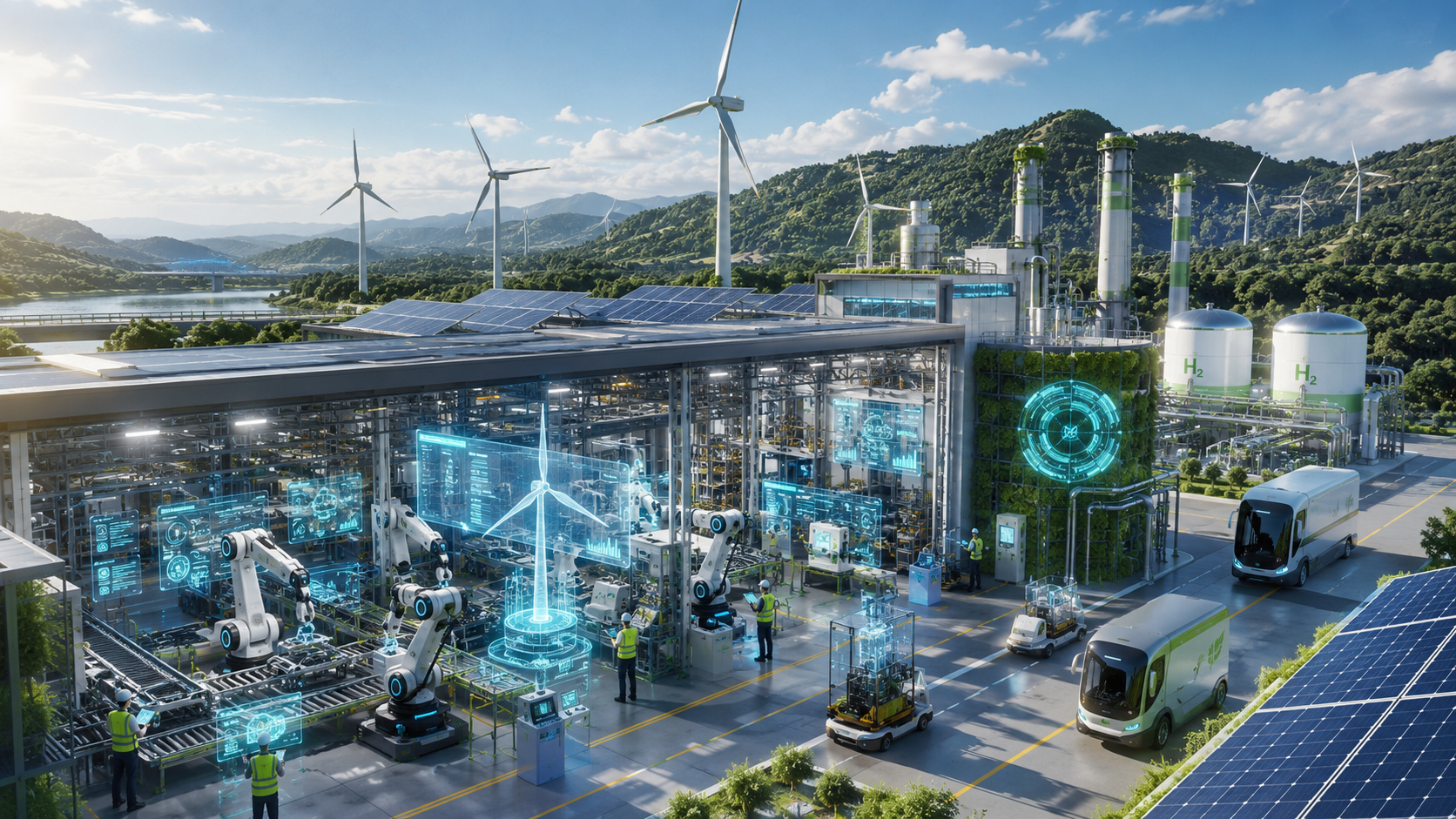
Manufacturing is one of the biggest contributors to global carbon emissions. As industries continue to grow, reducing environmental impact has become a major priority. Around the world, companies are investing in cleaner technologies and smarter production methods to achieve carbon-neutral manufacturing.
Carbon-neutral manufacturing means producing goods while balancing or eliminating the greenhouse gases released during production. This can be achieved by reducing emissions, improving energy efficiency, using renewable energy, and offsetting any remaining carbon emissions.
In 2026, carbon neutrality is no longer just a sustainability goal—it has become a business strategy that helps companies reduce costs, improve efficiency, meet environmental regulations, and build stronger customer trust.
What Is Carbon-Neutral Manufacturing?
Carbon-neutral manufacturing is the process of producing products with little to no net carbon emissions. Instead of relying heavily on fossil fuels, manufacturers adopt cleaner energy sources and advanced technologies to reduce their carbon footprint.
The goal is to minimize emissions throughout the manufacturing process, including:
- Raw material sourcing
- Product design
- Production
- Packaging
- Transportation
- Waste management
- Recycling
By improving every stage of production, companies can significantly reduce their environmental impact.
Why Carbon-Neutral Manufacturing Matters
Climate change has increased the demand for sustainable industrial practices. Governments, investors, and customers now expect businesses to reduce emissions and adopt environmentally responsible manufacturing processes.
Carbon-neutral manufacturing offers several advantages:
- Lower energy costs
- Reduced greenhouse gas emissions
- Improved operational efficiency
- Better compliance with environmental regulations
- Increased brand reputation
- Greater investor confidence
- Long-term business sustainability
Many global manufacturers have already announced ambitious carbon-neutral goals for the coming years.
Key Technologies Driving Carbon-Neutral Manufacturing
Modern manufacturing is being transformed by innovative technologies that reduce emissions while improving productivity.
1. Renewable Energy Integration
One of the biggest contributors to carbon neutrality is replacing fossil fuels with renewable energy.
Manufacturers are increasingly using:
- Solar power
- Wind energy
- Hydroelectric power
- Biomass energy
- Green hydrogen
Renewable energy reduces dependence on traditional power sources while lowering electricity costs over time.
2. AI-Powered Energy Management
Artificial Intelligence helps factories monitor and optimize energy consumption in real time.
AI systems can:
- Detect energy waste
- Predict equipment failures
- Optimize machine schedules
- Reduce unnecessary electricity usage
- Improve production efficiency
Smart energy management significantly lowers carbon emissions while increasing productivity.
3. Smart Factories and Industry 5.0
Modern smart factories combine AI, IoT sensors, robotics, and automation to improve manufacturing efficiency.
Connected machines continuously collect production data, allowing manufacturers to:
- Monitor equipment performance
- Reduce material waste
- Optimize production lines
- Improve energy efficiency
Industry 5.0 focuses on combining advanced automation with human expertise to create more sustainable and efficient manufacturing systems.
4. Digital Twins
A digital twin is a virtual model of a physical machine, factory, or production process.
Manufacturers use digital twins to:
- Simulate production before implementation
- Identify energy inefficiencies
- Predict maintenance needs
- Optimize factory operations
- Reduce waste
By testing improvements virtually, companies avoid costly mistakes and unnecessary emissions.
5. Carbon Capture Technologies
Some industrial processes still produce unavoidable carbon emissions.
Carbon Capture, Utilization, and Storage (CCUS) technologies help by:
- Capturing carbon dioxide before it enters the atmosphere
- Reusing captured carbon in industrial applications
- Storing carbon safely underground
These technologies are becoming increasingly important for heavy industries such as cement, steel, and chemicals.
6. Green Hydrogen
Hydrogen produced using renewable electricity is becoming a cleaner alternative to fossil fuels.
Green hydrogen can replace natural gas in many industrial processes, including:
- Steel manufacturing
- Chemical production
- Heavy transportation
- High-temperature industrial heating
As hydrogen technology becomes more affordable, its adoption continues to grow.
7. Circular Manufacturing
Instead of following the traditional “produce-use-dispose” model, circular manufacturing focuses on keeping materials in use for as long as possible.
This includes:
- Recycling materials
- Reusing components
- Repairing products
- Designing products for longer life
- Reducing industrial waste
Circular manufacturing reduces both emissions and raw material consumption.
8. Sustainable Materials
Many manufacturers are replacing traditional materials with environmentally friendly alternatives.
Examples include:
- Recycled metals
- Bio-based plastics
- Low-carbon concrete
- Sustainable packaging
- Recycled composites
Using greener materials helps lower emissions throughout the product lifecycle.
The Role of AI and IoT in Sustainable Manufacturing
Artificial Intelligence and the Internet of Things (IoT) are making factories smarter than ever.
IoT sensors continuously monitor:
- Machine performance
- Energy usage
- Water consumption
- Air quality
- Equipment health
AI analyzes this data to recommend improvements that reduce emissions, improve efficiency, and lower operational costs.
Together, AI and IoT enable manufacturers to make faster, data-driven decisions while supporting carbon-neutral goals.
Benefits of Carbon-Neutral Manufacturing
Adopting carbon-neutral technologies provides both environmental and business benefits.
Environmental Benefits
- Reduced greenhouse gas emissions
- Cleaner air and water
- Lower industrial pollution
- Better resource conservation
- Reduced waste generation
Business Benefits
- Lower operating costs
- Increased production efficiency
- Improved supply chain resilience
- Stronger customer loyalty
- Easier compliance with sustainability regulations
- Competitive advantage in global markets
Companies that invest in sustainability today are better positioned for long-term growth.
Challenges in Achieving Carbon Neutrality
Despite the benefits, transitioning to carbon-neutral manufacturing presents several challenges.
Some common obstacles include:
- High initial investment
- Upgrading legacy equipment
- Integrating renewable energy into existing facilities
- Managing complex supply chains
- Training employees on new technologies
- Measuring and reporting carbon emissions accurately
However, continuous innovation and government incentives are helping businesses overcome these barriers.
Future Trends in Carbon-Neutral Manufacturing
The next generation of sustainable manufacturing will be driven by even more advanced technologies.
Key trends to watch include:
- AI-powered autonomous factories
- Digital twins for entire production ecosystems
- Expanded use of green hydrogen
- Advanced battery energy storage systems
- Carbon-negative manufacturing processes
- AI-driven supply chain optimization
- Robotics designed for energy-efficient production
- Blockchain for transparent carbon tracking
These innovations will help industries reduce emissions while maintaining high productivity and profitability.
Conclusion
Carbon-neutral manufacturing is reshaping the future of industrial production. By combining renewable energy, Artificial Intelligence, digital twins, smart factories, green hydrogen, and circular manufacturing principles, businesses can significantly reduce their environmental impact while improving operational performance.
Although the transition requires investment and careful planning, the long-term rewards include lower operating costs, greater resilience, regulatory compliance, and a stronger competitive position. As technology continues to advance, carbon-neutral manufacturing will become a defining feature of modern industry, helping organizations achieve both sustainability and business success.
