Introduction
Electric Vehicles (EVs) are becoming one of the most important innovations in modern transportation. Unlike traditional vehicles that run on petrol or diesel, EVs use electricity as their main power source. As fuel prices continue to rise and environmental concerns increase, many people are now moving toward electric vehicles because they are cleaner, smarter, and more cost-effective.
The future of electric vehicles looks very promising because governments and automotive companies are investing heavily in EV technology. In the coming years, electric vehicles are expected to become more advanced, affordable, and widely used across the world.
What are Electric Vehicles?
Electric Vehicles are vehicles powered by electric motors and rechargeable batteries. These vehicles do not fully depend on traditional fuel engines. Instead, electricity stored inside batteries powers the motor and helps the vehicle move.
Electric vehicles are available in many forms, including electric cars, electric bikes, buses, and trucks. They are designed to reduce pollution and support environmentally friendly transportation systems.
Why Electric Vehicles are Growing Rapidly
The popularity of electric vehicles is increasing very quickly around the world. One major reason behind this growth is the rising price of petrol and diesel. Electric vehicles offer lower running costs, making them more affordable for daily transportation.
Another important reason is environmental awareness. Traditional fuel-powered vehicles release harmful gases that increase air pollution and global warming. Electric vehicles produce very low or zero emissions, helping create cleaner and healthier cities.
Government support is also playing a major role in EV growth. Many countries are providing subsidies, tax benefits, and better charging infrastructure to encourage people to use electric vehicles.
Benefits of Electric Vehicles
Electric vehicles provide many advantages compared to traditional vehicles. One of the biggest benefits is reduced pollution. Since EVs produce fewer harmful emissions, they help protect the environment and improve air quality.
Electric vehicles also help users save money because electricity is usually cheaper than petrol or diesel. Maintenance costs are lower as EVs have fewer moving engine parts and require less servicing.
Another advantage is the driving experience. Electric vehicles provide smoother acceleration and quieter operation, making driving more comfortable and efficient.
Advanced Technology in Electric Vehicles
Modern electric vehicles use advanced technologies to improve performance, safety, and user experience. Artificial Intelligence (AI) is used for smart navigation, battery management, and autonomous driving features.
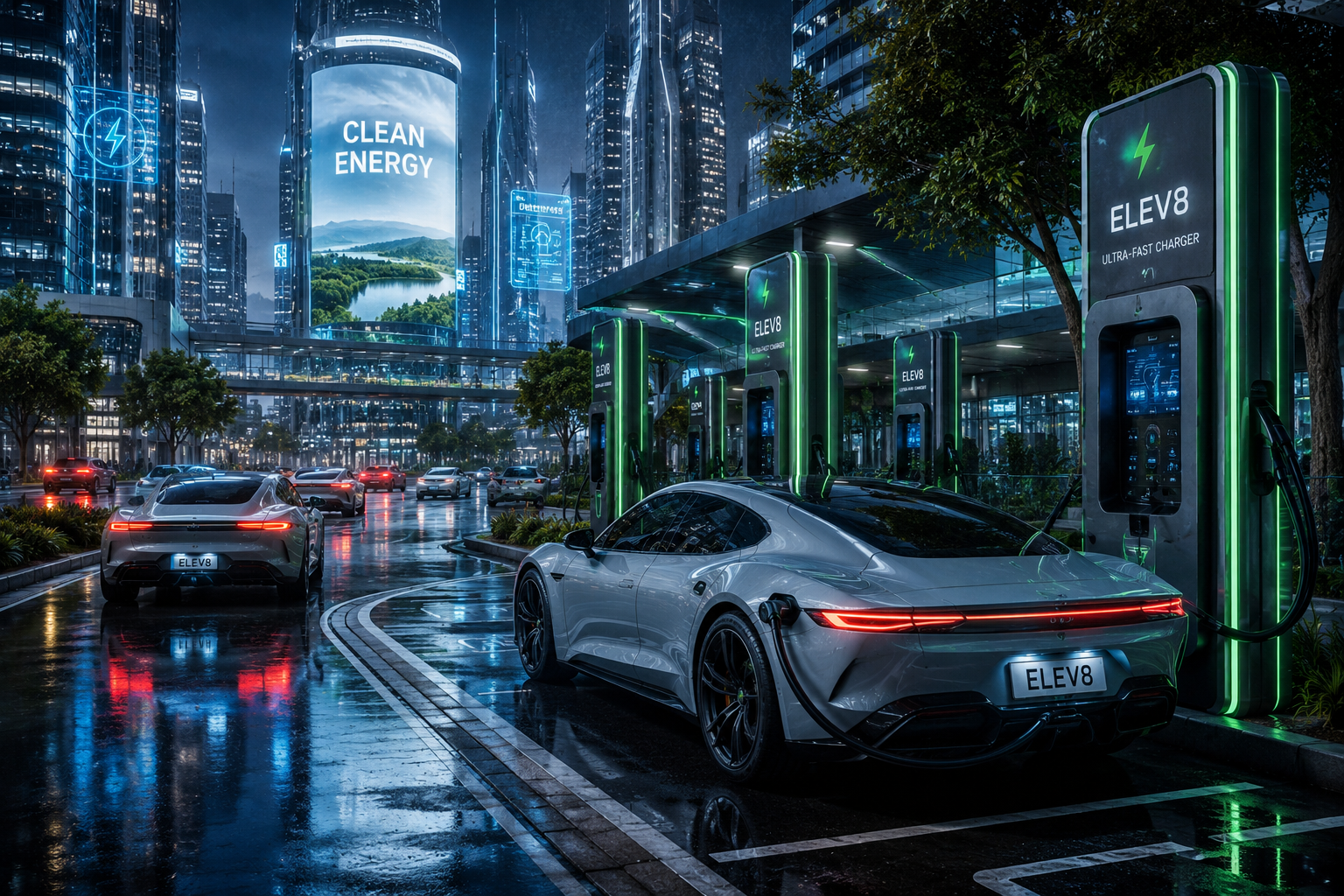
Many EVs also include smart sensors and connected systems that help monitor traffic conditions, detect obstacles, and improve road safety. Fast-charging technology is also improving rapidly, allowing vehicles to charge more quickly and efficiently.
These technologies are making electric vehicles smarter, safer, and more reliable for future transportation systems.
Future Trends in Electric Vehicles
The future of electric vehicles is expected to bring many exciting innovations. Battery technology is improving continuously, allowing EVs to travel longer distances with better efficiency.
Charging systems are also becoming faster, which will reduce waiting times for users. In the future, many electric vehicles may support autonomous or self-driving technology using AI and smart sensors.
Smart transportation systems and connected cities will also play an important role in the EV industry. Electric vehicles will communicate with traffic systems and smart infrastructure to improve transportation efficiency and reduce traffic problems.
Challenges of Electric Vehicles
Although electric vehicles offer many benefits, there are still some challenges that need improvement. Charging infrastructure is still limited in many areas, especially in smaller cities and rural regions.
Battery costs also make some electric vehicles more expensive than traditional vehicles. Charging time can sometimes be longer compared to refueling petrol or diesel vehicles.
However, technology is improving rapidly, and many companies are working to solve these issues through better batteries, faster charging systems, and wider charging networks.
Future of the EV Industry
The electric vehicle industry is expected to grow significantly in the coming years. Many automotive companies are investing billions of dollars in EV research and development.
Governments worldwide are also focusing on sustainable transportation and green energy solutions to reduce pollution and support clean mobility. Because of this, electric vehicles are likely to become a major part of future transportation systems.
As technology continues to improve, EVs will become more affordable, efficient, and accessible for people everywhere.
Conclusion
Electric Vehicles are transforming the future of transportation through cleaner energy, advanced technology, and smart mobility solutions. They help reduce pollution, lower fuel costs, and support sustainable transportation systems.
With continuous improvements in battery technology, charging infrastructure, and autonomous driving systems, electric vehicles are expected to become more popular worldwide. The future of EVs looks bright and will play a major role in creating smarter and greener cities for future generations.
