What Are Smart Materials?
Smart materials are special types of materials that can react and change when something happens around them.
For example, they may respond to:
- Heat
- Light
- Pressure
- Electricity
- Water or moisture
Unlike normal materials (like regular steel or plastic), smart materials can adjust themselves automatically.
Simple Examples of Smart Materials
Shape Memory Alloys
These metals can bend or change shape and then return to their original shape when heated.
Self-Healing Materials
These materials can fix small cracks or damage on their own. For example, some types of concrete can repair cracks without human help.
Piezoelectric Materials
These materials create electricity when pressure is applied. They are often used in sensors.
Smart Glass (Electrochromic Glass)
This glass can become dark or transparent when electricity is applied. It helps save energy in buildings.
Why Smart Materials Are Important
Smart materials help engineers build things that last longer and work better.
They are used in:
- Buildings that repair cracks
- Airplanes with lighter and stronger parts
- Medical devices that adjust inside the body
- Cars with improved safety systems
- Energy-saving smart homes
These materials make products more efficient, safer, and more durable.
What Is Biodesign?
Biodesign is a field where biology and engineering work together to create new and sustainable solutions.
Instead of only using traditional machines and factories, biodesign uses living systems or natural processes to create materials and products.
In simple words, biodesign means designing with the help of nature.
Easy Examples of Biodesign
3D Bioprinting
Scientists can print tissues and parts of organs using special biological materials.
Bio-Based Materials
Some companies create leather, plastic, and fabric from plants or microorganisms instead of animals or oil.
Living Buildings
Some modern building materials are inspired by nature and can improve air quality or reduce heat naturally.
Biodegradable Packaging
Packaging made from natural materials that breaks down easily without harming the environment.
Why Biodesign Is Becoming Popular
Biodesign is growing fast because the world needs:
- More eco-friendly products
- Less pollution
- Sustainable construction
- Climate-friendly solutions
It supports the idea of a green and circular economy, where materials are reused and waste is reduced.
How Smart Materials and Biodesign Work Together
When smart materials and biodesign are combined, engineering becomes even more powerful.
For example:
- Concrete that uses bacteria to repair itself
- Buildings that adjust to temperature naturally
- Medical implants that adapt to the human body
- Materials that respond to environmental changes
This combination helps create systems that are intelligent, sustainable, and energy-efficient.
Future of Smart Materials and Biodesign
In the coming years, these technologies will play a major role in:
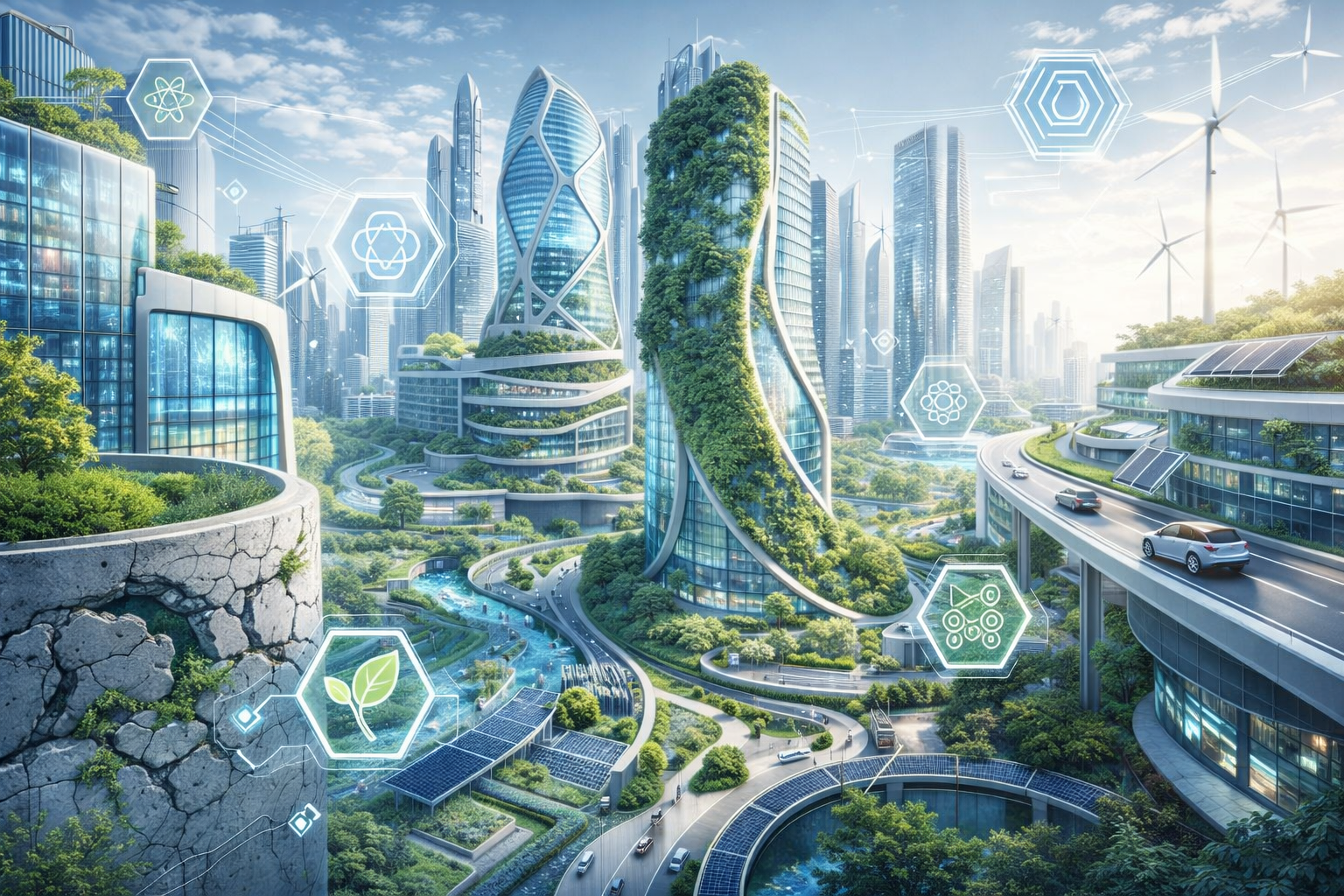
- Smart cities
- Green construction
- Renewable energy systems
- Healthcare innovation
- Advanced manufacturing
Engineers who understand these concepts will have strong career opportunities because industries are moving toward sustainable and intelligent solutions.
Final Thoughts
Smart materials and biodesign are changing the future of engineering.
Smart materials can react and adjust.
Biodesign uses nature to create sustainable solutions.
Together, they help build a world that is:
- More efficient
- More durable
- More environmentally friendly
