Introduction
Have you ever turned on your home’s lights using your phone or asked a voice assistant to play your favorite song? If yes, you’ve already used connected devices.
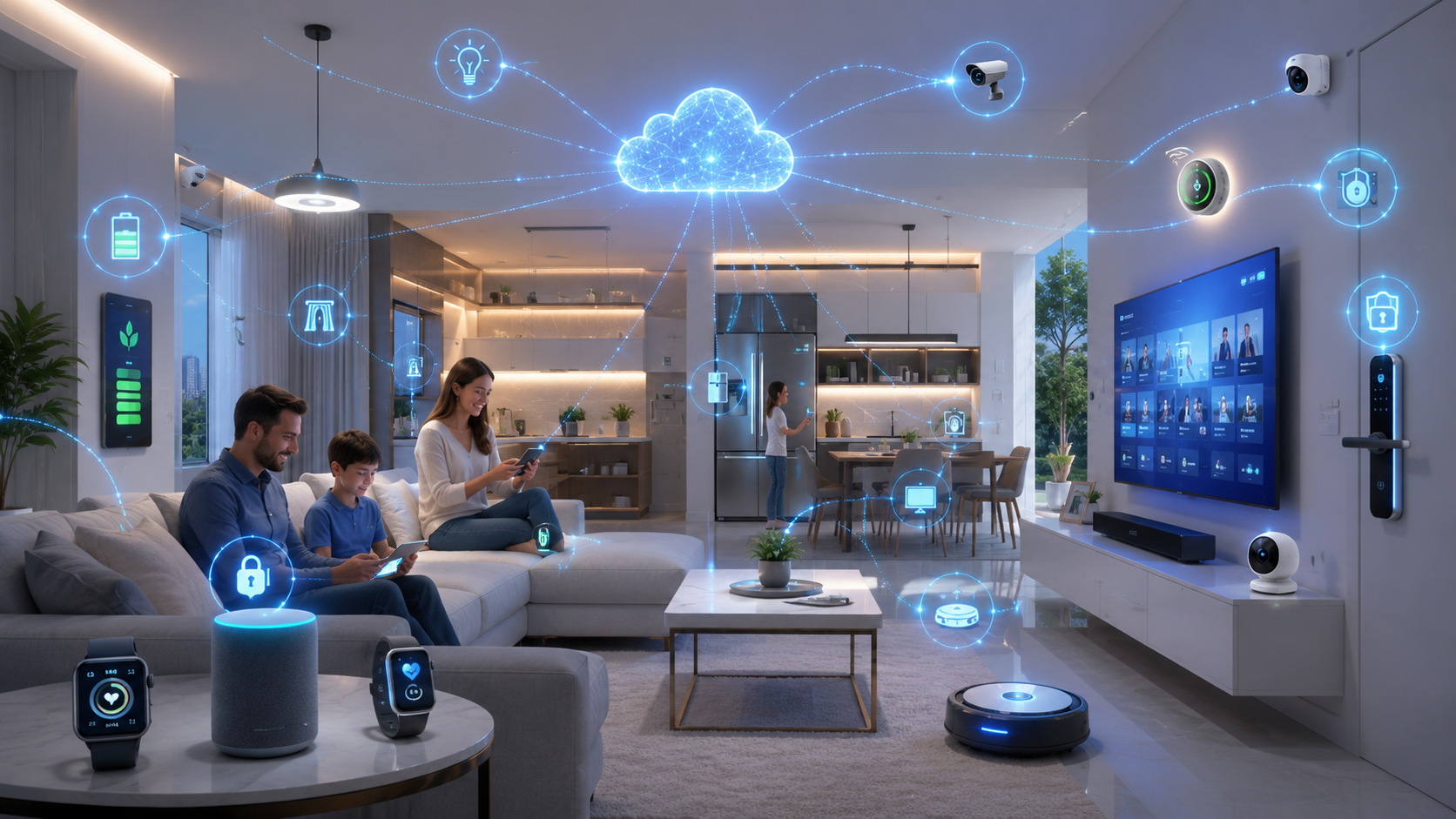
Connected devices are changing the way we live, work, and communicate. They make everyday tasks easier, save time, improve security, and even help us stay healthy. From smartwatches and smart TVs to home security cameras and smart kitchen appliances, these devices are becoming a part of our daily lives.
In this blog, we’ll explain what connected devices are, how they work, their benefits, challenges, and why they are helping people build a smarter lifestyle.
What Are Connected Devices?
Connected devices are electronic devices that can connect to the internet and communicate with other devices. They can send and receive information, allowing them to work together and perform tasks automatically.
For example, your smartwatch can send health data to your smartphone, or your smart doorbell can notify you when someone is at your door—even if you’re away from home.
These devices make everyday life more convenient by giving you greater control over your home, health, and daily activities.
How Do Connected Devices Work?
Connected devices use technologies like Wi-Fi, Bluetooth, or mobile networks to connect with each other. They also use cloud technology to store and process information.
Once connected, they can share data, respond to commands, and even make decisions automatically based on your preferences.
For example, a smart thermostat can learn your daily routine and adjust the room temperature without you touching it. Similarly, smart lights can automatically switch off when no one is in the room, helping save electricity.
Common Examples of Connected Devices
Today, connected devices are used in homes, offices, healthcare, and even transportation. Some popular examples include:
- Smart speakers
- Smart TVs
- Smartwatches
- Fitness bands
- Smart lights
- Smart door locks
- Security cameras
- Video doorbells
- Robot vacuum cleaners
- Smart refrigerators
- Smart washing machines
- Connected cars
These devices work together to make everyday tasks faster, easier, and more efficient.
Benefits of Connected Devices
Connected devices offer many advantages that improve both convenience and quality of life.
Save Time
Many daily tasks can be automated. You can schedule lights to turn on, start your coffee maker before you wake up, or let a robot vacuum clean your home while you’re at work.
This automation saves time and reduces the effort needed for everyday chores.
Improve Home Security
Smart security cameras, video doorbells, and smart locks help protect your home.
You can receive instant alerts on your smartphone if someone enters your property, and you can even lock or unlock your door remotely.
This gives homeowners greater peace of mind, whether they are at home or traveling.
Help You Stay Healthy
Wearable devices like smartwatches and fitness trackers monitor important health information such as heart rate, sleep quality, daily steps, calories burned, and blood oxygen levels.
These insights help users maintain healthier habits and detect possible health issues early.
Save Energy
Connected devices can automatically reduce electricity usage.
Smart thermostats adjust room temperature when you’re away, and smart lighting systems turn off unused lights. This helps lower electricity bills while reducing energy waste.
Make Life More Comfortable
Voice assistants allow you to control multiple devices with simple voice commands.
You can play music, set reminders, control lighting, check the weather, or manage your smart home without lifting a finger.
This creates a more comfortable and enjoyable living experience.
Connected Devices in Smart Homes
One of the biggest uses of connected devices is creating smart homes.
In a smart home, different devices work together automatically.
For example, your security camera can detect motion, your outdoor lights can switch on automatically, and your smart speaker can notify you that someone is at the front door.
Everything is connected, making your home safer, smarter, and more convenient.
Connected Devices in Healthcare
Healthcare is becoming smarter with connected technology.
Doctors can monitor patients remotely using wearable devices that collect health information throughout the day.
Patients with heart conditions, diabetes, or high blood pressure can share real-time health data with doctors without visiting the hospital frequently.
This helps improve patient care while making healthcare more accessible.
Connected Devices in the Workplace
Businesses are also using connected devices to improve productivity.
Smart meeting rooms, automated lighting, connected office equipment, and intelligent security systems help companies reduce costs and create more efficient workplaces.
Factories use connected sensors to monitor machines and detect problems before they cause expensive breakdowns.
Challenges of Connected Devices
Although connected devices offer many benefits, they also come with some challenges.
Privacy Concerns
Connected devices collect personal information, so protecting user privacy is very important.
Choosing trusted brands and understanding privacy settings can help keep your data safe.
Cybersecurity Risks
Like any internet-connected technology, smart devices can become targets for hackers if they are not properly secured.
Regular software updates, strong passwords, and two-factor authentication help improve security.
Internet Dependency
Most connected devices rely on an internet connection.
If your internet stops working, some smart features may become unavailable until the connection is restored.
Compatibility Issues
Not every smart device works with every platform.
Before buying new devices, it’s a good idea to check whether they are compatible with your existing smart home system.
Tips for Building a Smarter Lifestyle
If you’re planning to use connected devices, these simple tips can help you get started:
- Start with devices you use every day.
- Choose products from trusted brands.
- Make sure your devices work together.
- Protect your home Wi-Fi network.
- Keep your devices updated with the latest software.
- Use strong passwords for every connected device.
A little planning can help you enjoy a smarter, safer, and more connected home.
The Future of Connected Devices
Connected devices are becoming smarter every year.
Artificial Intelligence (AI), 5G technology, and the Internet of Things (IoT) are making these devices faster, more intelligent, and more reliable.
In the future, smart homes will automatically adjust to your daily routine, wearable devices will provide more advanced health insights, and connected cars will offer safer and more convenient travel.
As technology continues to improve, connected devices will become an even bigger part of our everyday lives.
Conclusion
Connected devices are making life easier, safer, and more efficient. Whether it’s controlling your home with your smartphone, tracking your health with a smartwatch, or improving security with smart cameras, these technologies are changing the way we live.
As more devices become connected through the Internet of Things, people can enjoy greater convenience, better energy efficiency, improved healthcare, and enhanced productivity.
Building a smarter lifestyle doesn’t require replacing everything at once. Starting with just a few connected devices can make everyday life more comfortable and help you experience the benefits of modern technology.
