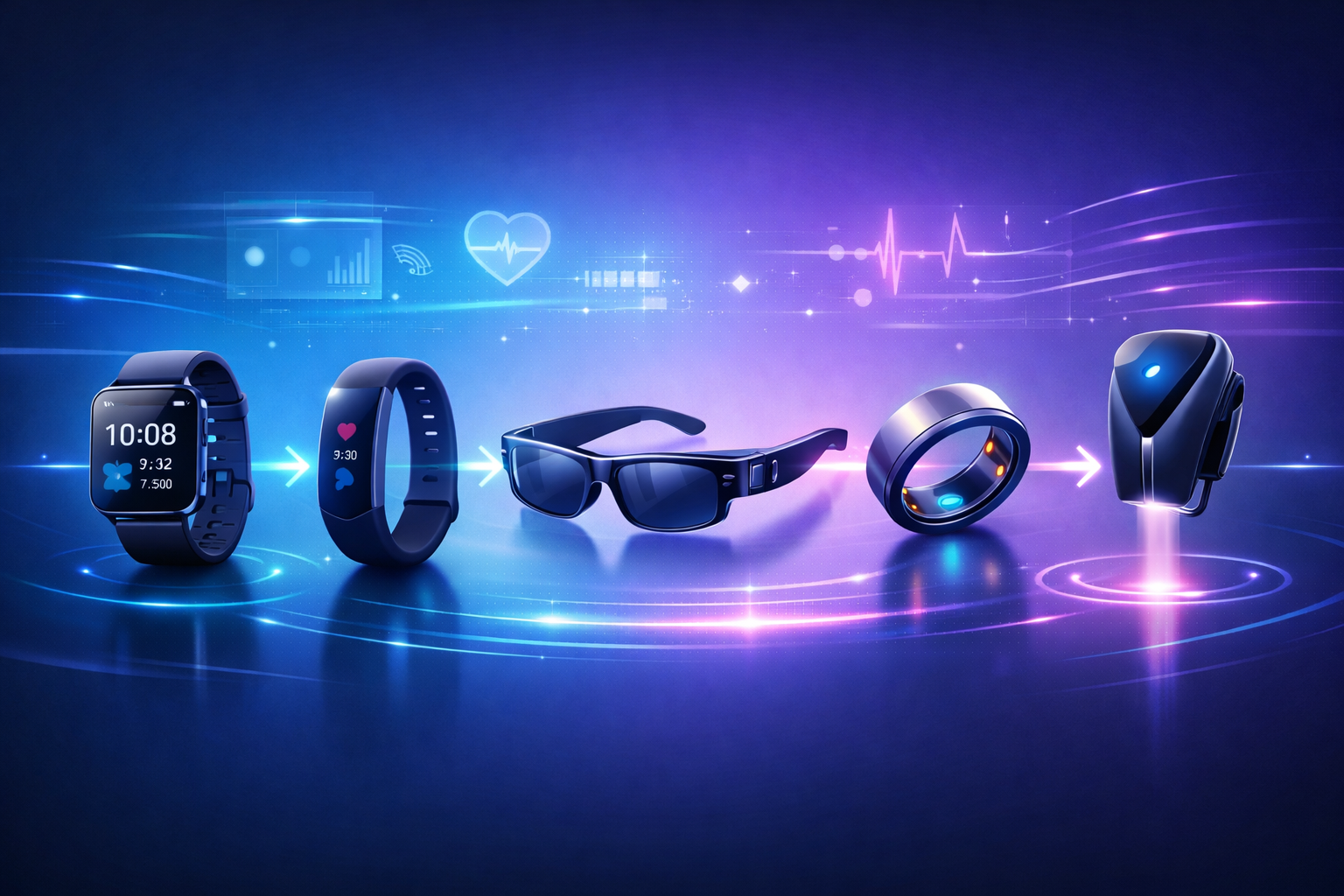
A Simple Start to Smart Wearables
Wearable technology started with simple devices that people could wear every day. At first, these were just digital watches that showed time and maybe had a few extra features like alarms or timers. Over time, technology improved and these small devices became smarter. Today, wearables are not just about convenience — they are becoming an important part of how we live, work, and stay healthy.
When Smartwatches Became Popular
The real growth of wearable technology began when smartwatches entered the market. Devices like the Apple Watch changed how people used technology on their wrist. These watches could track steps, monitor heart rate, and show phone notifications.
Instead of taking out your phone again and again, everything was available on your wrist. This made daily life easier and more connected.
Fitness Bands Made It Affordable
After smartwatches, fitness bands became very popular because they were simple and budget-friendly. Devices like the Xiaomi Mi Band helped people track their daily activity, sleep patterns, and basic health data.
These bands were lightweight and easy to use, which made them perfect for beginners. They also helped more people start caring about their health and fitness.
New Ideas with Smart Glasses
As technology moved forward, companies started creating more advanced wearables. Smart glasses like the Ray-Ban Meta Smart Glasses brought a new experience by combining the real world with digital features.
You can take photos, listen to audio, and even use voice commands without touching your phone. These devices show how wearables are becoming more natural and hands-free.
Smaller Devices with Bigger Power
Now the trend is moving toward smaller and more comfortable devices. Smart rings like the Oura Ring can track sleep, heart rate, and health data without needing a screen.
Another new idea is AI-based devices like the Humane AI Pin. This small device can clip onto your clothes and work like a personal assistant. It can answer questions, give updates, and help you interact with technology without using a phone.
Moving from Screens to Smart Thinking
Earlier, wearables focused mainly on screens and notifications. But now, the focus is shifting toward intelligence. Modern wearables use artificial intelligence to understand your habits and give helpful suggestions.
Instead of checking your device all the time, the device works quietly in the background and supports you when needed. This makes technology feel more natural and less distracting.
Why Wearables Are Getting Smaller
There are many reasons why wearable devices are becoming smaller and smarter. People want less screen time and more comfort. Technology is also becoming more powerful, so even small devices can do big tasks.
At the same time, better battery life and improved design allow companies to create compact devices that are easy to wear all day.
What the Future Looks Like
The future of wearable technology is very exciting. We may soon see devices like smart contact lenses, AI-powered clothing, and invisible health trackers.
These devices will focus on making life easier without interrupting your daily routine. The goal is to make technology feel like a natural part of your life.
