Technology has become an important part of our daily lives. From smartphones and smartwatches to fitness bands and wireless earbuds, wearable devices are helping people stay connected, informed, and productive. Now, another exciting innovation is gaining attention — smart glasses.
Smart glasses combine the convenience of traditional eyewear with advanced digital features. They allow users to access information, communicate, navigate, and interact with technology without constantly looking at a smartphone. As technology continues to evolve, smart glasses are becoming smarter, more practical, and more useful for everyday life.
Let’s explore how smart glasses work, their benefits, and why many experts believe they are the future of wearable technology.
What Are Smart Glasses?
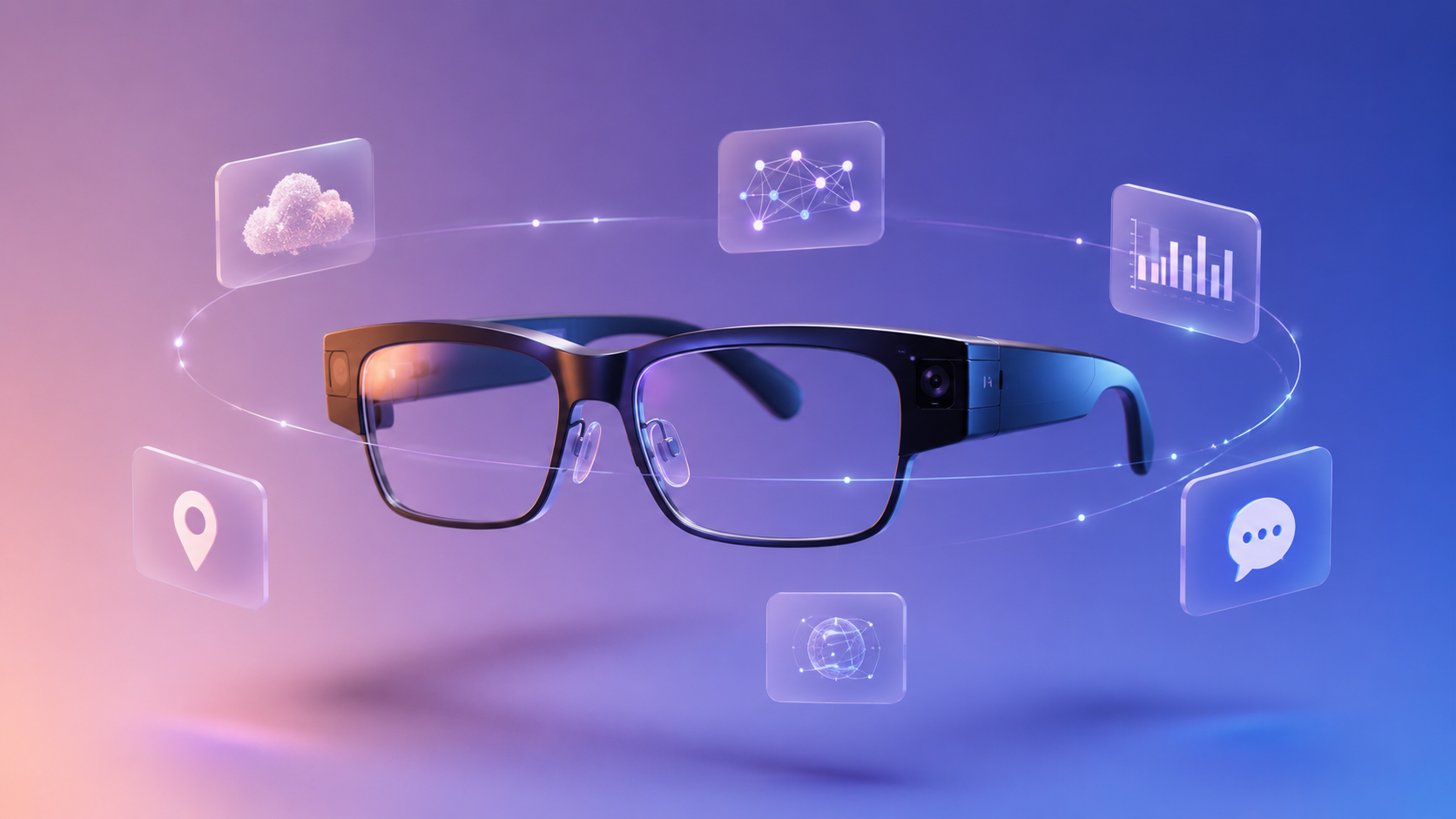
Smart glasses are wearable devices that look similar to regular eyeglasses but contain built-in technology such as cameras, microphones, speakers, sensors, and internet connectivity.
These glasses can display information, provide directions, answer calls, play music, take photos, and even connect with AI assistants. Some advanced models can also show digital content directly in front of your eyes using Augmented Reality (AR).
The main goal of smart glasses is to make technology more accessible while keeping your hands free.
How Smart Glasses Work
Smart glasses use a combination of hardware and software to provide useful information in real time.
Most smart glasses include:
- Built-in cameras
- Microphones and speakers
- Motion and location sensors
- Wireless connectivity
- Voice control features
- Artificial Intelligence support
- Augmented Reality displays
Users can interact with smart glasses through voice commands, touch controls, or connected mobile apps. This allows them to perform tasks quickly without needing to use a smartphone.
Why Smart Glasses Are Becoming Popular
People today want faster and easier ways to access information. Smart glasses provide exactly that.
Instead of checking your phone repeatedly, you can receive notifications, directions, messages, and updates directly through your glasses. This creates a more convenient and hands-free experience.
As smart glasses become lighter, more stylish, and more affordable, they are attracting attention from both consumers and businesses.
The Role of Artificial Intelligence
Artificial Intelligence is making smart glasses more powerful than ever before.
AI allows smart glasses to understand voice commands, answer questions, recognize objects, translate languages, and provide useful recommendations.
Imagine traveling to another country and seeing real-time language translations through your glasses. Or asking your glasses for directions without touching your phone. These are just a few examples of how AI is improving the smart glasses experience.
Benefits of Smart Glasses
Smart glasses offer several advantages that make them useful in both personal and professional environments.
Hands-Free Access
One of the biggest benefits is convenience. Users can access information without holding a device, making everyday tasks easier and more efficient.
Better Productivity
Professionals can receive information, instructions, and updates while continuing their work. This helps save time and improve productivity.
Instant Information
Smart glasses provide real-time access to directions, messages, notifications, and important updates exactly when they are needed.
Easy Communication
With built-in microphones and speakers, users can make calls, join meetings, and communicate with others more easily.
Improved User Experience
By combining AI and Augmented Reality, smart glasses create a more interactive and personalized digital experience.
How Smart Glasses Are Used in Daily Life
Smart glasses are becoming useful in many everyday situations.
People use them for:
- Navigation while walking or driving
- Listening to music
- Making phone calls
- Receiving notifications
- Language translation
- Taking photos and videos
- Controlling smart home devices
- Accessing AI assistants
As technology continues to improve, new features and applications are expected to make smart glasses even more useful.
How Businesses Are Using Smart Glasses
Businesses are finding innovative ways to use smart glasses to improve efficiency and productivity.
Healthcare
Doctors and healthcare professionals can access patient information and medical records without interrupting their work.
Manufacturing
Workers can view instructions, safety guidelines, and maintenance information directly through their glasses.
Logistics and Warehousing
Employees can quickly locate products, manage inventory, and complete tasks more efficiently.
Remote Assistance
Experts can guide technicians in real time through video communication and visual support.
Employee Training
Companies can create interactive training experiences that help employees learn faster and more effectively.
The Importance of Augmented Reality
Augmented Reality is one of the most exciting features of modern smart glasses.
AR adds digital information to the real world. Instead of looking at a separate screen, users can see helpful information directly in front of them.
For example:
- Navigation directions can appear while walking.
- Product information can be displayed while shopping.
- Repair instructions can appear while fixing equipment.
This creates a more natural and immersive way to interact with technology.
Challenges Facing Smart Glasses
Although smart glasses offer many advantages, there are still some challenges that manufacturers need to overcome.
Battery Life
Advanced features require power, which can limit battery performance.
Privacy Concerns
Built-in cameras may raise privacy concerns in public places.
Higher Costs
Many smart glasses are still more expensive than traditional wearable devices.
User Acceptance
Some people are still adapting to the idea of wearing technology on their faces every day.
As technology improves and prices become more affordable, these challenges are expected to decrease.
What the Future Looks Like
The future of smart glasses looks very promising.
Technology companies are investing heavily in AI, wearable devices, and Augmented Reality. Future smart glasses are expected to become lighter, more comfortable, more affordable, and more powerful.
Experts believe smart glasses could eventually become as common as smartphones and smartwatches. They may transform how people work, communicate, learn, shop, and access information.
Why Smart Glasses Are the Future of Wearable Technology
Smart glasses combine the best features of wearable technology, Artificial Intelligence, and Augmented Reality into a single device.
They offer a hands-free, connected, and intelligent way to interact with the digital world. Whether for personal convenience or professional productivity, smart glasses are opening new possibilities for how people use technology.
As innovation continues, smart glasses are likely to become one of the most important wearable devices of the future.
Final Thoughts
Smart glasses are quickly moving from a futuristic concept to a practical everyday device. They provide a convenient way to stay connected, access information, and improve productivity without relying entirely on smartphones.
With advancements in AI, Augmented Reality, and wearable technology, smart glasses are becoming smarter and more useful every year. As adoption continues to grow, these devices could play a major role in shaping the future of technology and digital experiences.
