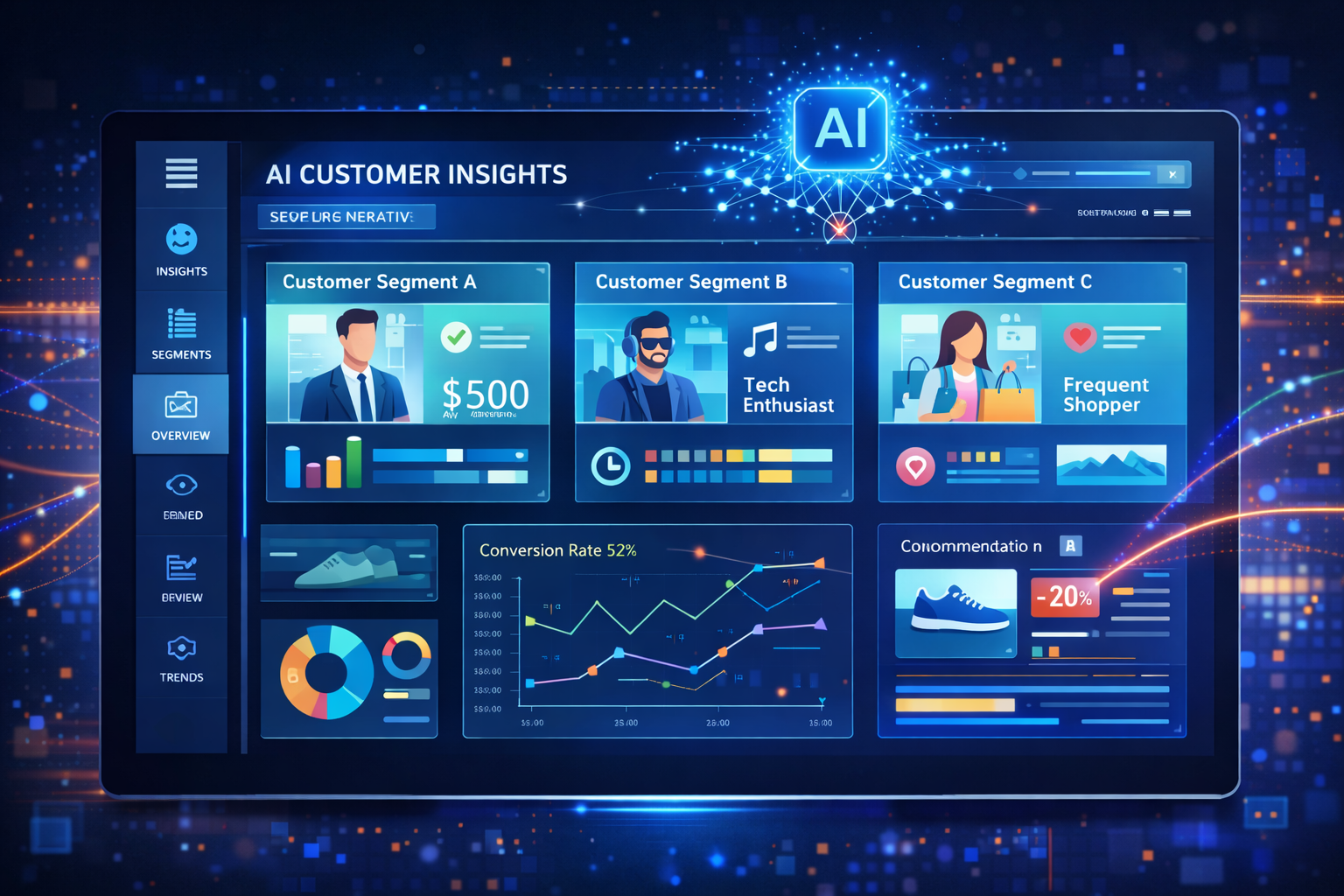
Hyper-personalization with generative technology is one of the biggest software trends today. Many apps and websites no longer show the same content to everyone. Instead, they change based on what each user likes, searches, or clicks.
This article explains the concept in very simple language so anyone can understand it.
What is Hyper-Personalization
Hyper-personalization means giving every user a unique experience. The software studies what a person does inside the app or website and then adjusts content based on that behavior.
For example, if you search for shoes on an online store, the homepage may later show you more shoe-related products. The system learns from your actions and responds accordingly.
It goes beyond simple personalization like adding your name in an email. It focuses on behavior, interests, and patterns.
What is Generative Technology
Generative technology is a type of artificial intelligence that can create new content. It can generate text, images, product descriptions, emails, chat responses, and even website layouts.
Instead of only analyzing data, generative AI actually produces new content instantly. This makes personalization much more powerful and dynamic.
How Hyper-Personalization and Generative AI Work Together
First, the system collects user data such as browsing history, clicks, time spent on pages, and purchase activity.
Then, AI analyzes this data to understand user preferences.
After that, generative AI creates customized content in real time. This could be a product recommendation, a custom homepage layout, a special discount offer, or even a personalized chatbot response.
The result is an experience that feels made specifically for that user.
Simple Real-World Examples
Online shopping apps show product suggestions based on your previous searches.
Streaming platforms recommend movies based on what you watch.
Learning apps create custom quizzes depending on your performance.
Banking apps highlight features based on your spending habits.
All these examples use hyper-personalization powered by AI.
Benefits of Hyper-Personalization in Software
Users feel more connected because content matches their interests.
Businesses see higher sales since users are shown relevant products.
Customer satisfaction improves due to a smoother experience.
Marketing becomes smarter because AI handles much of the personalization automatically.
Companies gain a competitive advantage by offering smarter digital experiences.
Industries Using Hyper-Personalization
E-commerce platforms use it to increase product sales.
Healthcare apps use it to suggest personalized health tips.
Finance apps customize dashboards based on spending.
Education platforms adjust lessons based on student progress.
Travel apps recommend destinations based on search history.
Many industries are adopting AI-driven personalization.
Challenges and Things to Consider
Data privacy is important. Companies must protect user information.
Too much personalization can sometimes feel intrusive.
AI systems must be accurate and fair to avoid biased recommendations.
Security and transparency are necessary when collecting user data.
Future of Hyper-Personalized Software
In the future, apps may automatically redesign themselves depending on the user.
Websites might change colors, layouts, and offers based on individual preferences.
AI assistants will become smarter and more human-like in conversations.
Software will continue becoming more adaptive and intelligent.
Final Thoughts
Hyper-personalization with generative technology is changing how software interacts with users. Instead of static content, digital platforms now deliver dynamic and customized experiences.
Businesses that adopt AI-powered personalization can improve engagement, customer loyalty, and overall growth.
