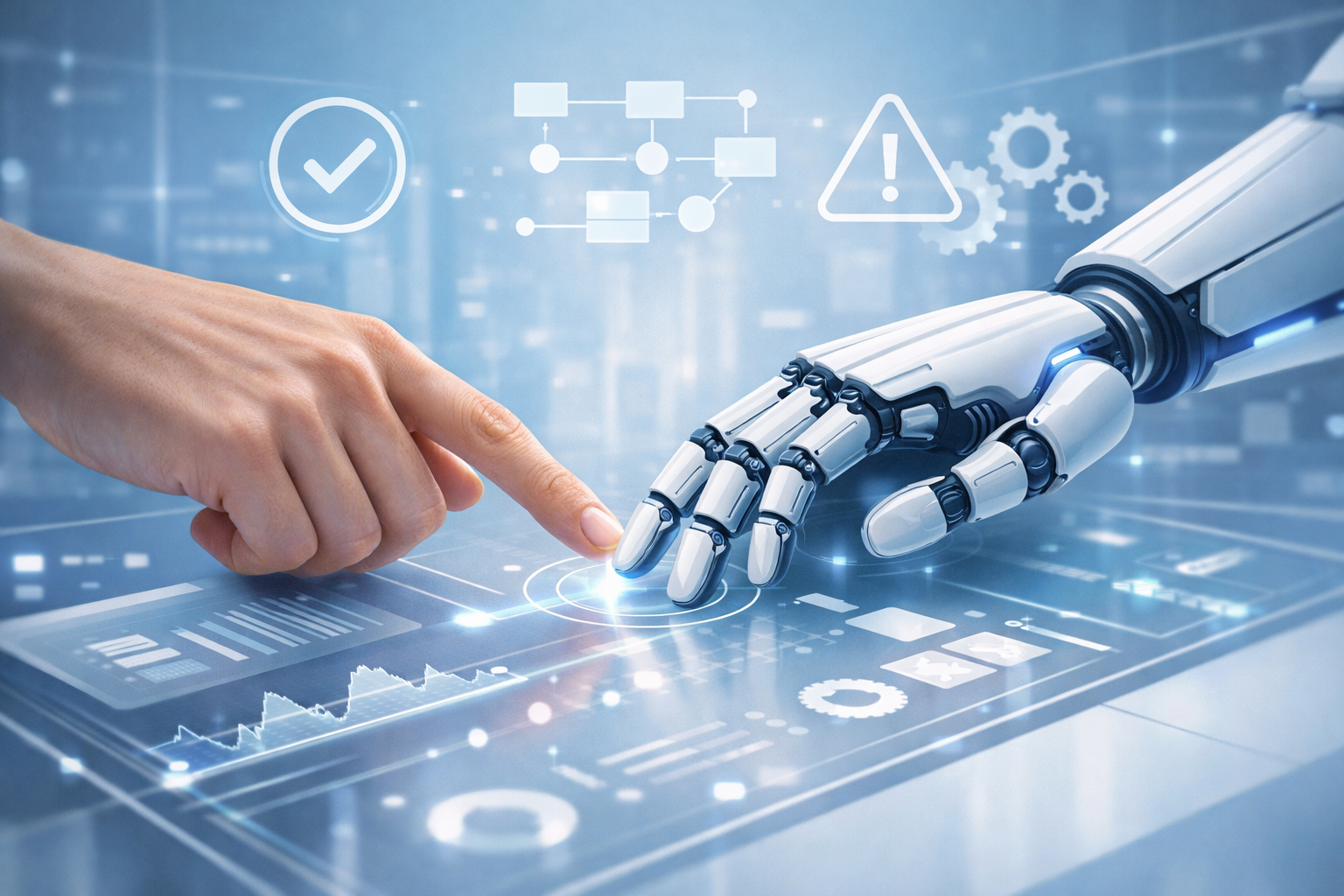
Technology is moving fast, and many companies are trying to automate everything using AI and software. While automation helps save time and effort, fully automated software often fails in real-world situations. Machines are powerful, but they still need humans to guide them.
This is why Human-in-the-Loop (HITL) software is becoming more important than ever. It combines the speed of machines with human thinking to create better and safer systems.
What Is Human-in-the-Loop Software
Human-in-the-Loop software is a system where humans stay involved in important decisions made by software or AI.
Instead of letting machines work alone, these systems allow humans to:
- Review results
- Approve or reject actions
- Correct mistakes
- Give feedback to improve the system
This approach helps software work more accurately and responsibly.
Why Full Automation Does Not Work Well
Machines Do Not Understand Context
Automated systems work using data and rules, but they do not truly understand real-life situations. Sometimes a decision may look correct to a machine but feels wrong to a human.
For example, an automated system may block a genuine payment or flag safe content as harmful. Humans can understand context and fix these mistakes easily.
Automation Fails in Unusual Situations
Most software is trained for common situations. When something unexpected happens, fully automated systems often get confused or make wrong decisions.
Human-in-the-Loop software allows people to step in during such cases and prevent errors from growing into bigger problems.
People Do Not Fully Trust Automated Decisions
When software makes decisions without explanation, users feel uncomfortable. They want to know why a decision was made.
Having humans involved increases trust because decisions feel more transparent and accountable.
Fully Automated Systems Can Lose Control
If a fully automated system makes a mistake, it can repeat that mistake many times very quickly. This can cause serious damage before anyone notices.
Human checkpoints act as safety controls that stop problems early.
Ethical and Legal Decisions Need Humans
Machines cannot understand ethics, emotions, or legal responsibility. Many industries require human approval for sensitive decisions.
Human-in-the-Loop software helps companies stay ethical, fair, and compliant with laws.
How Human-in-the-Loop Software Works
In this type of system, software performs the main task first. When the system feels unsure or detects risk, it asks for human help.
Humans then review the situation, make a decision, and give feedback. This feedback helps the system learn and perform better in the future.
Where Human-in-the-Loop Software Is Used
Human-in-the-Loop systems are already used in many areas. In healthcare, doctors review AI-generated reports. In finance, humans approve suspicious transactions. In content moderation, people handle sensitive cases that AI cannot understand.
These examples show that combining humans and machines gives better results than using machines alone.
Benefits of Human-in-the-Loop Software
Human-in-the-Loop software improves accuracy and reduces risks. It helps catch mistakes early and makes systems more reliable. It also increases trust and improves the overall quality of decisions.
Most importantly, it allows software to improve continuously with human guidance.
The Future of Software Is Human and AI Together
The goal of technology is not to replace humans but to support them. The future of software is not full automation, but smart collaboration between humans and machines.
Human-in-the-Loop software creates systems that are faster, safer, and more dependable.
Final Thoughts
Full automation sounds attractive, but it often fails when real-world complexity appears. Human-in-the-Loop software offers a balanced solution by combining human judgment with machine efficiency.
Businesses that adopt this approach will build software that users trust and rely on.
