Introduction
Blockchain technology is powerful — but it has a scaling problem.
As more users join decentralized applications, transaction fees rise and networks slow down. This has been especially true for Ethereum, the backbone of decentralized finance and NFTs.
To solve this, a new wave of innovation has emerged: Layer Two scaling solutions.
These networks are transforming how blockchain operates by making transactions faster, cheaper, and more accessible — without sacrificing security.
Let’s explore why Ethereum Layer Two networks are becoming one of the most important developments in crypto.
What Are Ethereum Layer Two Networks
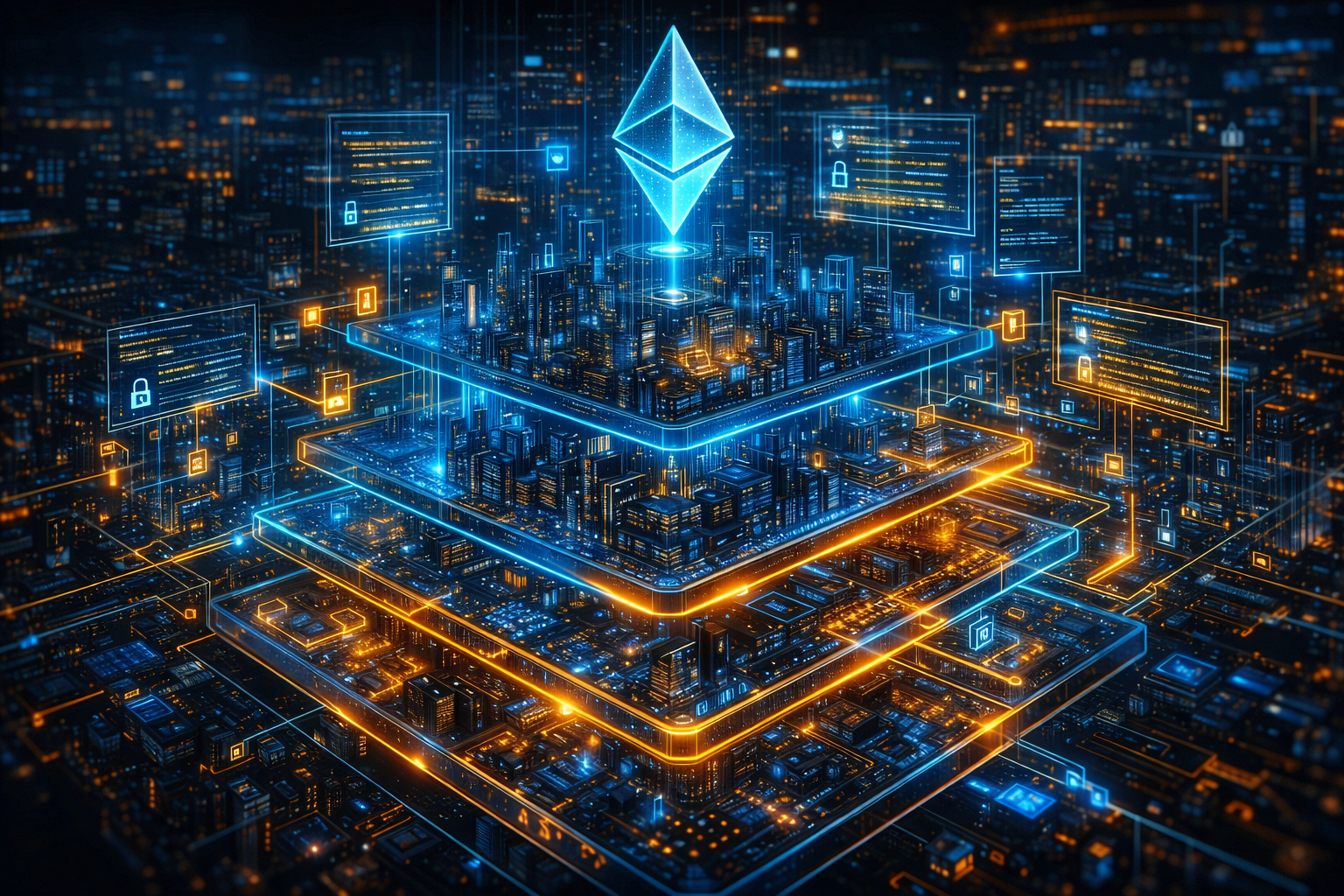
Layer Two networks are secondary protocols built on top of the main Ethereum blockchain.
Instead of processing every transaction directly on Ethereum, these networks handle transactions off-chain and then settle final results back on the main chain.
Popular Layer Two networks include:
- Arbitrum
- Optimism
- Polygon
These solutions significantly reduce congestion and lower transaction costs.
Why Ethereum Needed Scaling
Ethereum is home to thousands of decentralized applications, including major DeFi platforms and NFT marketplaces.
However, during peak demand, users experienced:
- High gas fees
- Slow confirmation times
- Network congestion
This created barriers for smaller investors and developers.
Layer Two networks address this by bundling transactions together and processing them more efficiently before final settlement on Ethereum.
Lower Fees and Faster Transactions
One of the biggest benefits of Layer Two solutions is cost reduction.
Transactions that may cost high fees on the Ethereum mainnet can often be completed at a fraction of the cost on Layer Two.
This opens the door for:
- Micro-transactions
- Gaming applications
- NFT trading
- Everyday blockchain payments
Lower fees encourage more experimentation and innovation within the ecosystem.
Security Without Compromise
A key concern in scaling solutions is security.
Layer Two networks rely on Ethereum’s underlying security. They post transaction data or proofs back to the main chain, ensuring that the system remains decentralized and trustworthy.
This hybrid model provides:
- Improved performance
- Strong security guarantees
- Compatibility with Ethereum tools
Developers can build on Layer Two without abandoning Ethereum’s ecosystem.
Boosting DeFi and NFT Growth
Layer Two networks are accelerating growth in decentralized finance and NFTs.
DeFi platforms benefit from:
- Faster trades
- Lower liquidity costs
- Increased user participation
NFT marketplaces see more affordable minting and trading, allowing artists and creators to reach wider audiences.
Gaming projects are also thriving, as fast and low-cost transactions are essential for real-time interactions.
Institutional and Developer Adoption
Developers are increasingly launching new projects directly on Layer Two networks.
Institutions are also exploring these solutions because:
- They improve scalability
- They reduce operational costs
- They maintain Ethereum-level security
As infrastructure improves, Layer Two networks may become the default environment for decentralized applications.
Challenges Still Ahead
Despite strong growth, Layer Two ecosystems face challenges:
- Liquidity fragmentation across networks
- Bridging risks between chains
- User experience complexity
- Competition from alternative blockchains
Improving interoperability and simplifying user interfaces will be critical for mainstream adoption.
The Future of Scalable Blockchain
Ethereum Layer Two solutions are just the beginning.
As adoption increases, we may see:
- Seamless cross-chain transactions
- Unified liquidity systems
- Enterprise-scale blockchain applications
- Mass-market Web3 platforms
Scaling is essential for blockchain to serve millions — or even billions — of users worldwide.
Layer Two networks are laying that foundation today.
Conclusion
Ethereum Layer Two networks are reshaping the blockchain landscape.
By reducing fees, increasing speed, and maintaining security, they solve one of crypto’s biggest challenges: scalability.
As more developers, users, and institutions migrate to these networks, Layer Two may become the backbone of the next generation of decentralized applications.
Blockchain’s future depends on scaling — and Layer Two is leading the way.
