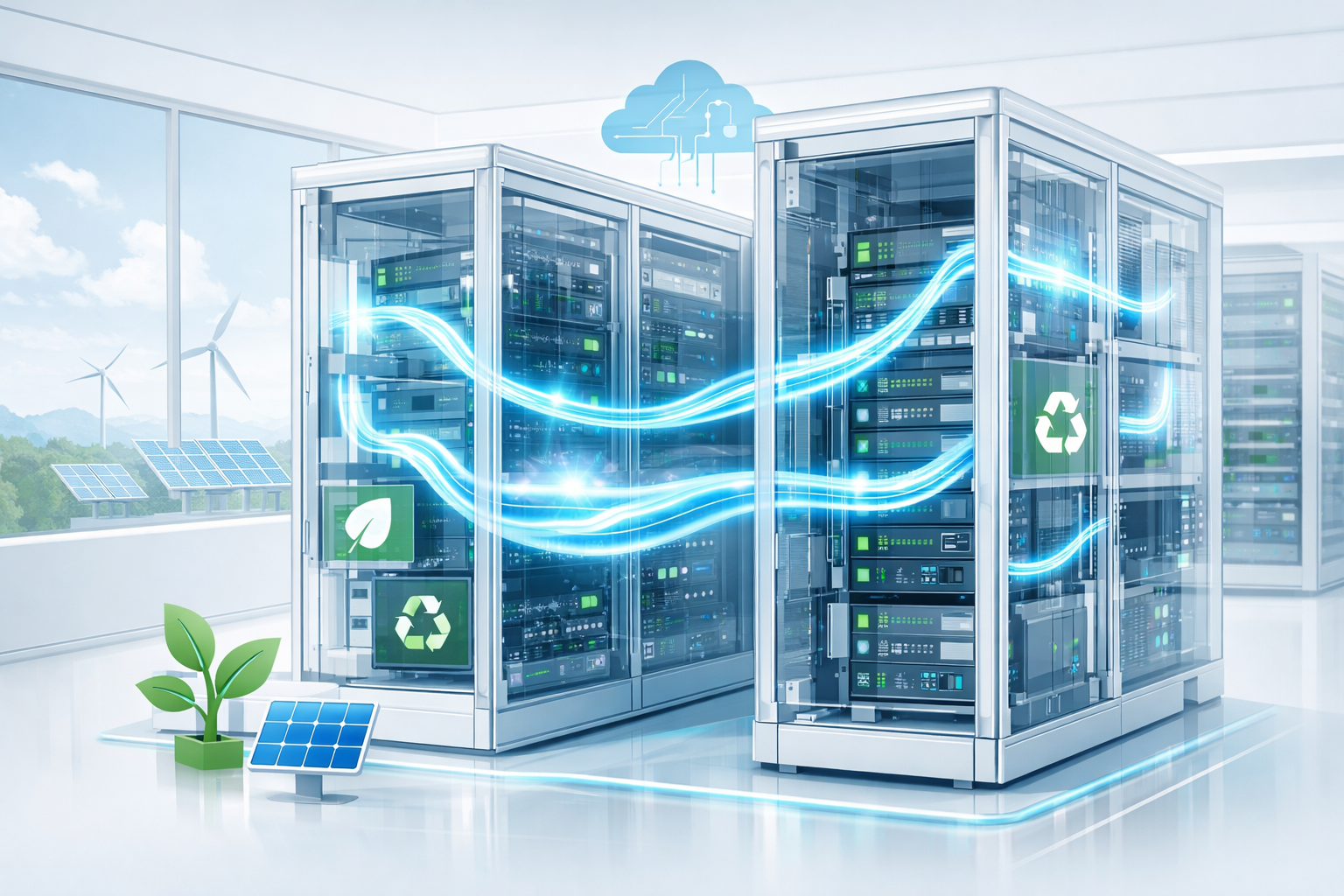
As AI, cloud computing, and online services grow in 2026, data centers are using more electricity than ever before. This creates two big problems: high energy costs and environmental impact.
One new solution engineers are exploring is the use of superconductors in data centers.
Let’s understand this in simple terms.
What Is a Superconductor?
A superconductor is a special material that can carry electricity without losing energy.
Normally, when electricity flows through wires (like copper), some energy is lost as heat. This is called electrical resistance.
But superconductors:
- Have zero resistance
- Do not waste energy
- Produce very little heat
That means they are much more efficient than normal wires.
Why Data Centers Need Better Efficiency
Data centers are buildings full of powerful computers. These computers:
- Run websites
- Store cloud data
- Train AI models
- Process millions of online requests
All of this requires a lot of power.
Main Problems Data Centers Face
🔹 High Electricity Usage
AI systems and cloud platforms consume massive energy.
🔹 Too Much Heat
Servers generate heat, and cooling them requires extra electricity.
🔹 Rising Costs
More energy use means higher operational costs.
This is why companies are searching for smarter energy solutions.
How Superconductors Help Data Centers
Superconductors can improve data centers in several ways:
⚡ No Energy Loss
Electricity flows without resistance, so almost no power is wasted.
🌡️ Less Heat
Since there is no resistance, less heat is produced. This reduces cooling needs.
🏢 More Compact Systems
Superconducting cables can carry more power in smaller spaces. This helps save room inside data centers.
🌍 Better for the Environment
Using less electricity means fewer carbon emissions. This supports green and sustainable technology goals.
High-Temperature Superconductors (HTS)
Older superconductors needed extremely cold temperatures to work. That made them expensive and difficult to use.
Now, engineers are developing High-Temperature Superconductors (HTS).
These:
- Work at higher (but still cold) temperatures
- Use liquid nitrogen instead of more expensive cooling systems
- Are more practical for commercial use
This makes real-world data center use more possible.
Why This Matters for AI
AI systems need huge computing power. For example:
- Large AI models require thousands of GPUs
- AI training consumes massive electricity
- AI data centers must handle high power loads
Superconductors can:
- Support powerful AI clusters
- Reduce power waste
- Make AI infrastructure more efficient
As AI grows, energy efficiency becomes even more important.
Challenges of Using Superconductors
Even though the technology is promising, there are still challenges:
- ❄️ They still require cooling systems
- 💰 Installation is expensive
- 🏗️ Data center design may need changes
- 📈 Technology is still developing
But research and investment are increasing every year.
The Future of Superconducting Data Centers
In the coming years, energy efficiency will become a competitive advantage.
Companies that:
- Reduce electricity costs
- Lower carbon emissions
- Support large AI systems efficiently
will lead the future of technology.
Superconductors may play a key role in building:
- Green data centers
- Sustainable AI infrastructure
- Next-generation cloud computing systems
Conclusion
Superconductors are special materials that allow electricity to flow without energy loss. When used in data centers, they can reduce heat, lower electricity consumption, and improve overall efficiency.
As AI and cloud computing continue to grow, superconductors could become an important part of building faster, greener, and more powerful data centers in the future.
