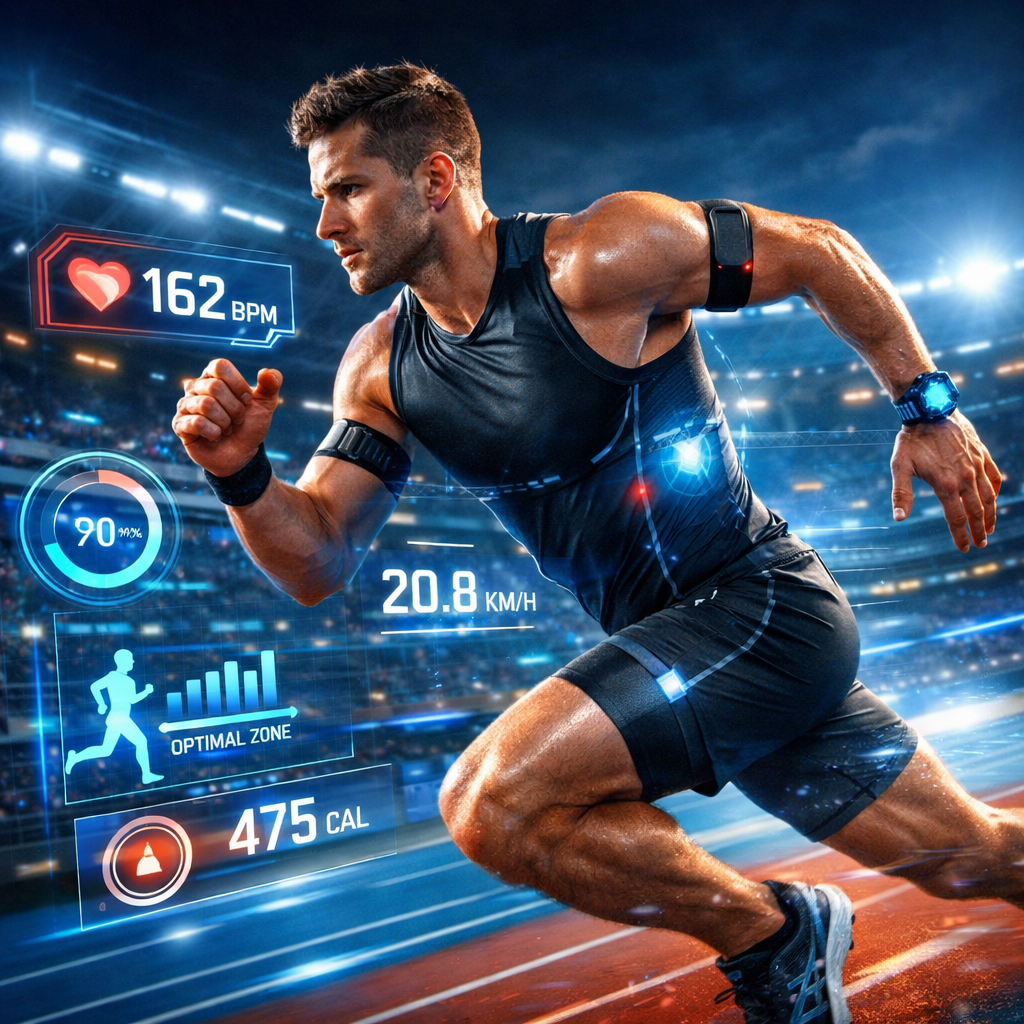
Wearable technology has become an important part of modern fitness and sports. Devices like smartwatches, fitness bands, and smart rings are now powered by artificial intelligence (AI), which helps athletes understand their bodies better.
These AI-powered wearables collect data such as heart rate, movement, sleep, and workout intensity. The AI inside these devices analyzes the data and provides useful insights. This helps athletes train smarter, improve performance, and reduce the chances of injuries.
Below are some simple ways AI wearables help athletes perform better.
Real-Time Performance Tracking
One of the biggest benefits of AI wearables is the ability to track performance in real time. During workouts or sports activities, these devices monitor important health and fitness metrics.
For example, AI wearables can track heart rate, running speed, distance covered, calories burned, and oxygen levels. This information helps athletes understand how their body is responding to exercise.
When athletes can see this data instantly, they can adjust their pace, intensity, or training style to get better results.
Personalized Training Guidance
Every athlete’s body works differently. That is why personalized training is important for improving performance.
AI wearables analyze past workout data and understand how the body responds to different types of training. Based on this analysis, the device can suggest workout intensity, training duration, and recovery time.
Instead of following a general workout plan, athletes receive personalized training suggestions that match their fitness level and goals.
Injury Prevention and Safety
Injuries are common in sports, especially when athletes train too hard or use incorrect movement techniques.
AI wearables help detect early signs of fatigue, stress, or unusual body movements. Some advanced devices can even analyze running posture and movement patterns.
If something looks risky, the device can send a warning or recommendation. This allows athletes to slow down, correct their posture, or take rest before the problem becomes serious.
Better Recovery and Rest Monitoring
Training is important, but recovery is just as important for athletic performance.
AI wearables track recovery-related factors such as sleep quality, resting heart rate, and stress levels. These factors show how well the body is recovering after workouts.
Based on this data, the wearable may suggest taking a rest day, doing lighter training, or focusing on recovery activities like stretching or hydration.
Proper recovery helps athletes maintain energy, improve endurance, and avoid burnout.
Performance Insights and Progress Tracking
AI wearables store and analyze long-term fitness data. Over time, athletes can see detailed reports about their progress.
These insights can show improvements in speed, endurance, strength, and workout efficiency. Athletes can also identify areas where they need improvement.
This data-driven approach helps athletes and coaches make better training decisions.
Smart Coaching and Real-Time Feedback
Some modern wearables now include AI-based virtual coaching. These digital coaches provide suggestions during workouts.
For example, the device might recommend increasing running pace, improving stride length, or slowing down if the body is under too much stress.
This kind of real-time feedback makes training more effective and helps athletes stay on the right track.
The Future of AI Wearables in Sports
AI wearable technology is growing quickly, and new innovations are being introduced every year. Future devices may include more advanced sensors, better health tracking, and deeper performance analysis.
As these technologies improve, AI wearables will continue to help athletes train smarter, stay healthier, and reach their full potential.
Conclusion
AI wearables are changing the way athletes train and improve their performance. By tracking health data, analyzing workouts, and providing personalized insights, these devices help athletes understand their bodies better.
From real-time performance tracking to injury prevention and recovery monitoring, AI-powered wearables make training safer and more effective. As technology continues to evolve, these smart devices will play an even bigger role in the future of sports and fitness.
