Introduction
Backpacks have always been practical. But now, they are becoming intelligent.
AI smart backpacks are emerging as one of the most exciting innovations in wearable lifestyle tech. Designed for travelers, digital nomads, students, and professionals, these backpacks combine technology with convenience.
Brands like XD Design and Targus are introducing smart features such as anti-theft systems, GPS tracking, USB charging ports, and biometric locks.
The everyday backpack is evolving into a connected tech companion.
What Makes a Backpack Smart
A smart backpack goes beyond storage.
It integrates features like:
- Built-in power banks for device charging
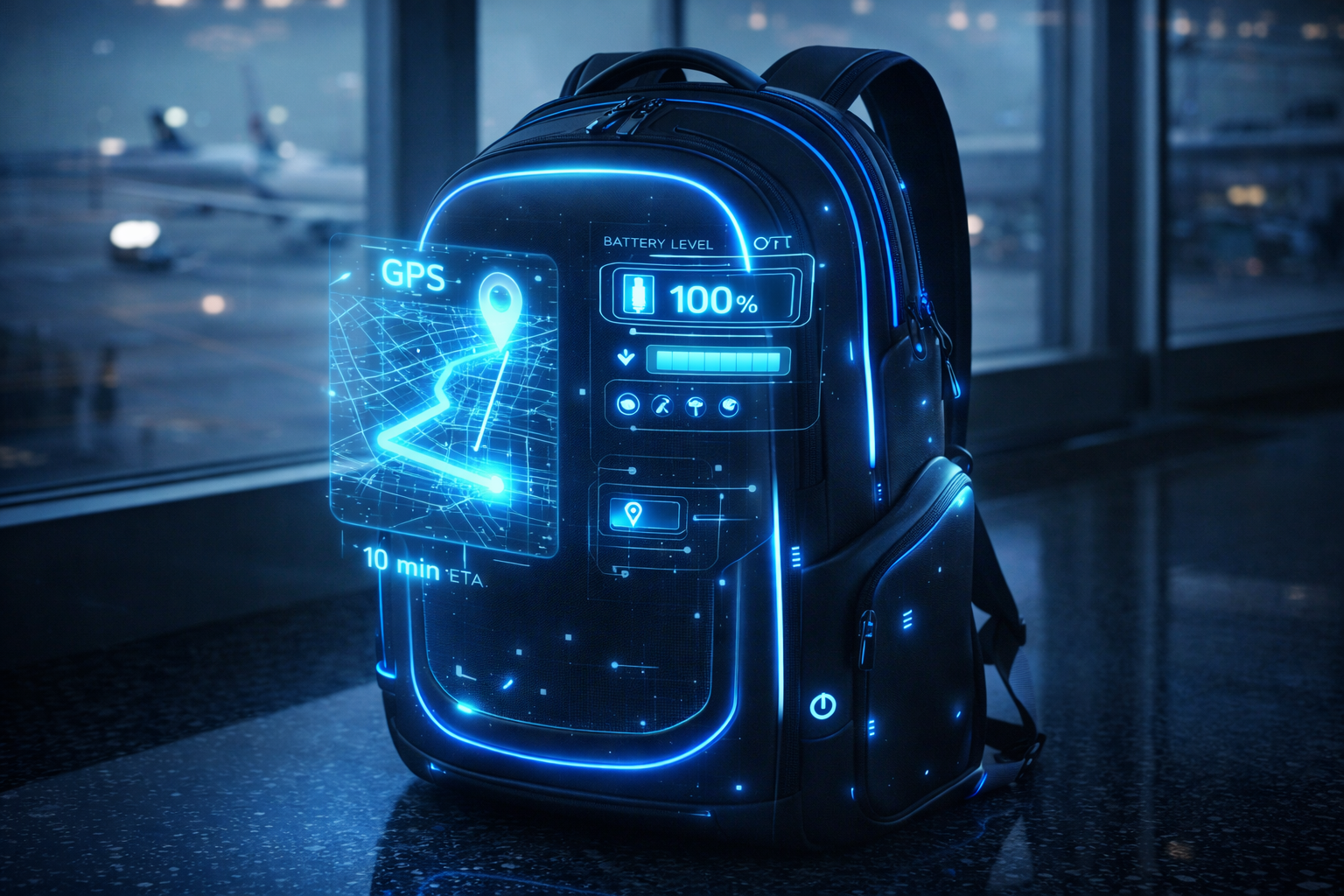
- GPS tracking systems
- Anti-theft lock mechanisms
- Hidden zippers and RFID-blocking pockets
- Weight distribution sensors
- App connectivity
Some advanced prototypes are even experimenting with AI-based weight balancing and posture correction alerts.
Instead of simply carrying your devices, the backpack becomes part of your digital ecosystem.
Built-In Charging and Power Management
One of the biggest pain points for modern users is battery life.
Smart backpacks often include integrated power banks with internal cable routing. You can charge your smartphone, tablet, or laptop while walking through an airport or commuting to work.
Some models include solar charging panels on the exterior, making them ideal for outdoor travelers and remote workers.
This built-in power solution eliminates the need to carry separate chargers everywhere.
Anti-Theft Technology for Modern Travelers
Security is a major reason smart backpacks are gaining popularity.
Brands like XD Design have introduced hidden zipper designs and cut-resistant materials to prevent theft.
More advanced models include fingerprint locks or Bluetooth-enabled locking systems that can be controlled through a mobile app.
GPS tracking allows users to locate their backpack if it gets lost or stolen. For frequent travelers, this level of protection offers peace of mind.
Smart Organization and Digital Integration
AI-powered organization is another growing trend.
Some smart backpacks connect to mobile apps that remind users if they forget important items like laptops or passports.
Weight sensors can alert you if your bag exceeds safe carrying limits. This is especially useful for students and professionals who carry heavy loads daily.
The integration between hardware and mobile software makes these backpacks intelligent, not just functional.
Comfort Meets Technology
Technology is important, but comfort still matters.
Modern smart backpacks focus heavily on ergonomic design. Adjustable straps, breathable back panels, and balanced weight distribution ensure long-term comfort.
Future models may include posture detection sensors that gently notify users when they are slouching.
This blend of comfort and intelligence makes smart backpacks attractive to health-conscious consumers.
The Growing Demand for Smart Travel Gear
As remote work, digital nomad lifestyles, and international travel continue to rise, demand for smart travel accessories is increasing.
Consumers want products that combine style, safety, and technology. AI smart backpacks meet all three requirements.
The market for connected lifestyle gear is expanding rapidly, and smart backpacks are positioned at the center of that trend.
The Future of Intelligent Carry Solutions
Looking ahead, we may see backpacks with built-in AI assistants, voice control features, or environmental sensors that monitor air quality and temperature.
Some companies are even exploring modular smart compartments that adapt to user habits.
As wearable tech continues to evolve, everyday items like backpacks will become smarter and more connected.
The line between fashion and technology is disappearing.
Conclusion
AI smart backpacks represent the next step in lifestyle wearable innovation. With built-in charging, advanced security, smart organization, and ergonomic design, they are transforming how we travel and commute.
What used to be a simple bag is now becoming a connected tech accessory.
The future of wearable technology isn’t just what you wear — it’s also what you carry.
