As the world races toward net-zero emissions, engineers are rethinking how energy is produced, stored, and delivered. Among the most promising solutions is hydrogen-powered infrastructure — a transformative approach that could redefine power grids, transportation networks, and heavy industry.
From green hydrogen plants to hydrogen-ready pipelines, this emerging frontier is not just about fuel — it’s about redesigning entire systems for a low-carbon future.
Why Hydrogen? Understanding the Engineering Appeal
Hydrogen is the most abundant element in the universe and offers one key advantage: when used as fuel, it emits only water vapor.
Unlike fossil fuels, hydrogen can:
- Store renewable energy long-term
- Power heavy industries that electricity alone cannot decarbonize
- Support grid stabilization
- Replace diesel in freight, rail, shipping, and aviation
For engineers, hydrogen isn’t just a fuel — it’s an energy carrier, enabling large-scale energy flexibility.
The Rise of Green Hydrogen
Not all hydrogen is created equal.
- Gray hydrogen – produced from natural gas (high emissions)
- Blue hydrogen – natural gas with carbon capture
- Green hydrogen – produced via electrolysis powered by renewable energy
The engineering revolution is centered around green hydrogen, created using wind, solar, or hydropower to split water into hydrogen and oxygen.
Massive electrolyzer facilities are now being built worldwide, integrating directly with renewable power plants to store excess energy that would otherwise go unused.
Engineering Applications Transforming Infrastructure
1. Hydrogen-Ready Power Grids
Hydrogen storage systems can act as long-duration energy backups. When renewable output dips, stored hydrogen can be converted back into electricity using fuel cells or turbines.
This could solve one of renewable energy’s biggest challenges: intermittency.
2. Hydrogen Pipelines & Distribution Networks
Existing natural gas pipelines are being evaluated for hydrogen blending. However, hydrogen molecules are smaller and can cause material embrittlement — meaning engineers must redesign pipeline materials and sealing systems.
Countries are now planning dedicated hydrogen corridors to connect industrial hubs.
3. Hydrogen in Transportation Infrastructure
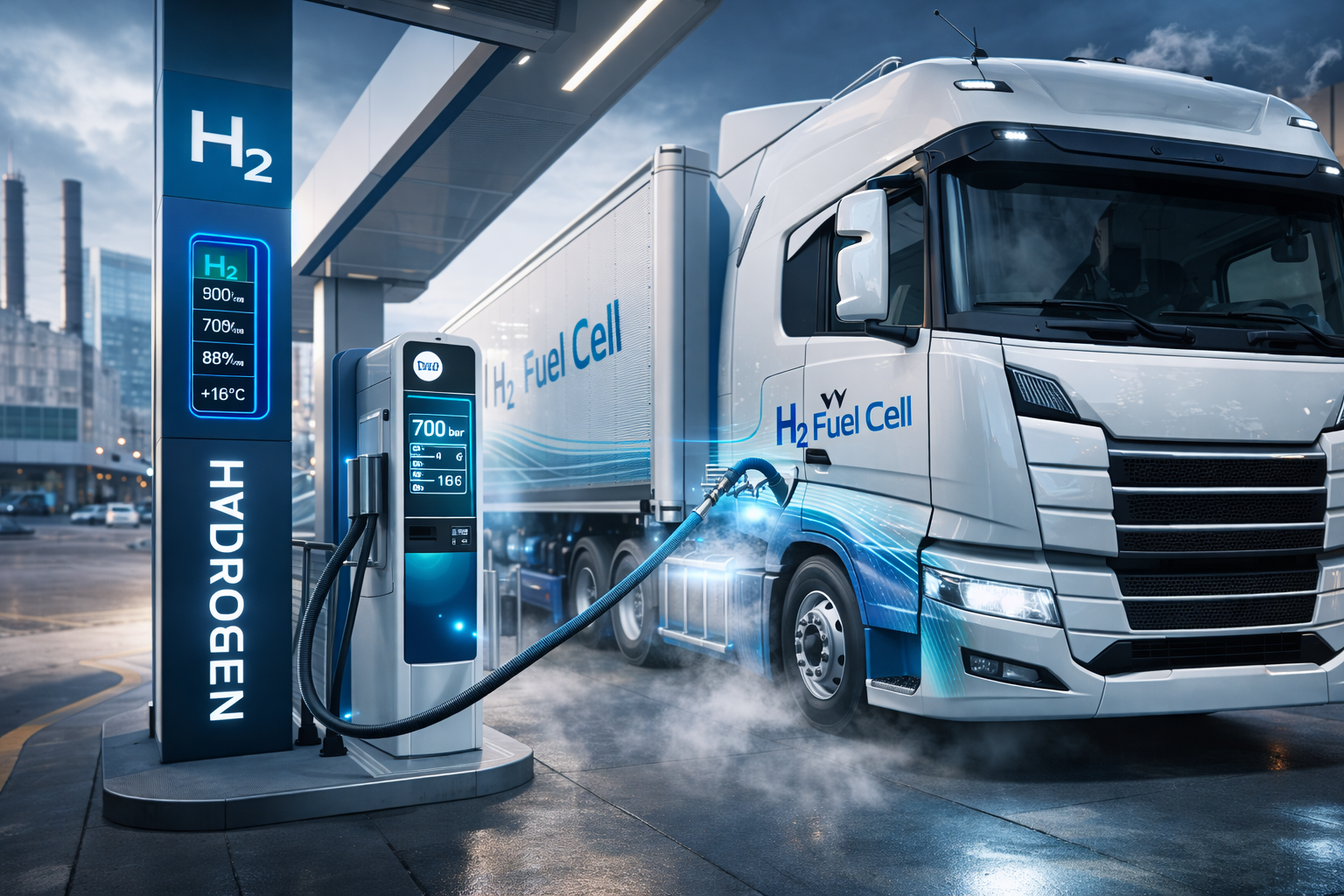
Heavy-duty transport is difficult to electrify. Hydrogen fuel cells are emerging as a powerful alternative for:
- Freight trucks
- Trains
- Cargo ships
- Industrial vehicles
Refueling infrastructure development is becoming a key engineering challenge — designing high-pressure, safe, and scalable hydrogen stations.
4. Industrial Decarbonization
Steel, cement, and chemical production account for massive global emissions. Hydrogen can replace coal in steelmaking and act as feedstock in ammonia production.
Hydrogen-powered industrial clusters are now being engineered to centralize production, storage, and distribution.
Engineering Challenges to Overcome
Despite its promise, hydrogen infrastructure faces serious technical hurdles:
🔹 Storage Complexity
Hydrogen must be compressed, liquefied, or chemically stored — all energy-intensive processes.
🔹 Material Durability
Hydrogen embrittlement weakens metals over time.
🔹 Efficiency Losses
Energy is lost during conversion (electricity → hydrogen → electricity).
🔹 Cost Barriers
Electrolyzers, storage tanks, and transport systems remain expensive.
However, rapid innovation and scaling are driving costs down.
Smart Infrastructure Integration
Future hydrogen systems will integrate with:
- AI-driven energy management
- IoT-based monitoring
- Smart grid analytics
- Digital twin simulations
Engineers are combining hydrogen systems with automation and predictive maintenance to maximize reliability and efficiency.
Global Momentum
Governments and corporations worldwide are investing billions into hydrogen roadmaps, positioning it as a pillar of energy transition strategies.
Large-scale hydrogen hubs, export terminals, and cross-border energy corridors are already under development.
Hydrogen isn’t replacing electricity — it’s complementing it.
The Future Outlook
By 2035–2050, hydrogen could:
- Power industrial mega-cities
- Fuel long-haul aviation
- Provide seasonal renewable storage
- Support carbon-neutral heavy manufacturing
For engineers, this marks a generational shift — designing infrastructure not just for power delivery, but for energy transformation and flexibility.
Hydrogen-powered infrastructure represents more than a trend — it’s a structural redesign of how modern civilization runs.
Final Thoughts
Hydrogen stands at the intersection of engineering, sustainability, and innovation. While challenges remain, advancements in materials science, automation, and renewable integration are accelerating its feasibility.
The next engineering frontier won’t just be smarter — it will be cleaner, modular, and hydrogen-enabled.
