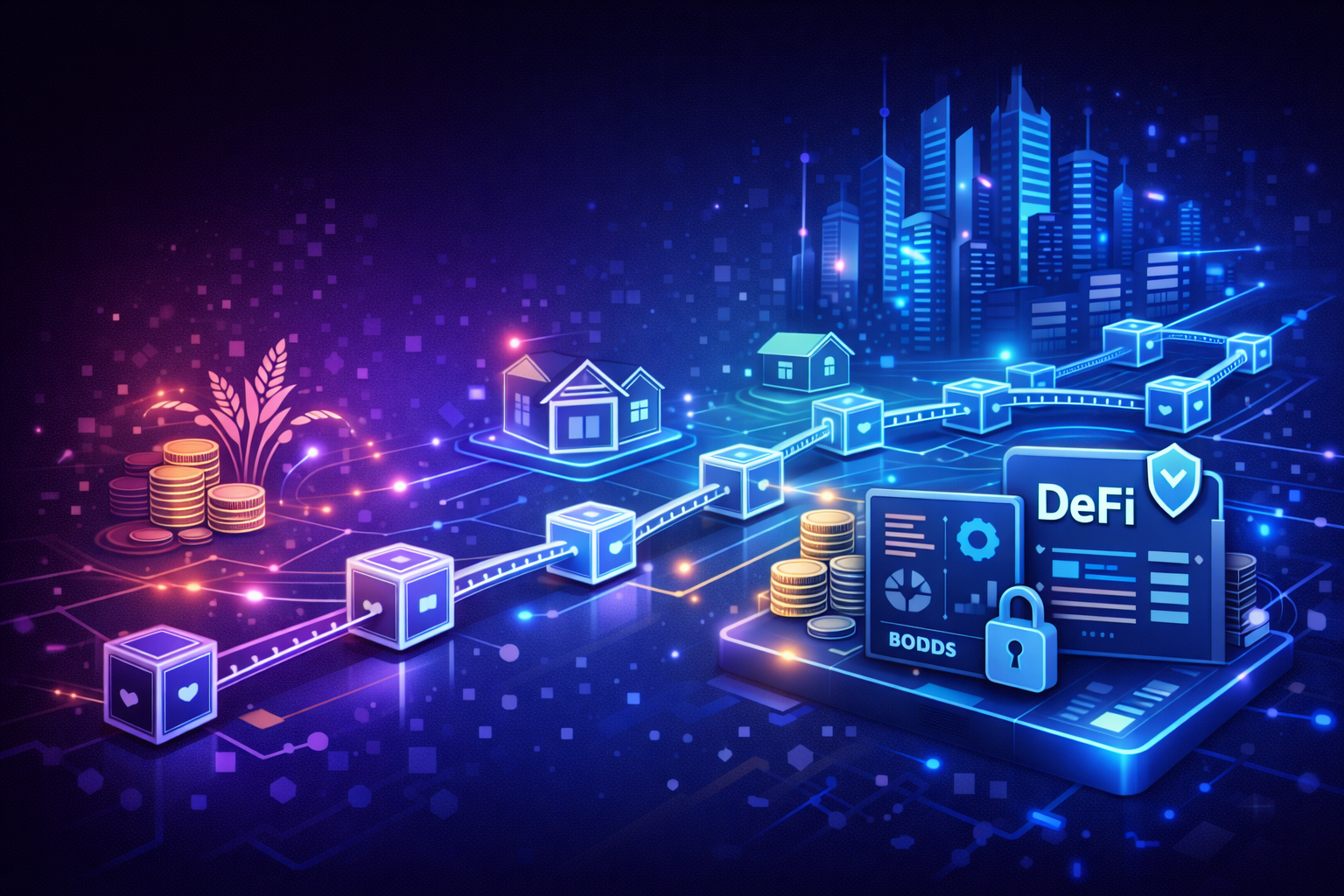
Understanding DeFi
Decentralized Finance, commonly known as DeFi, is a financial system built on blockchain technology. It allows people to use financial services like lending, borrowing, and trading without banks or middlemen. Everything runs automatically through smart contracts, making transactions transparent and open to everyone.
How Yield Farming Started the DeFi Movement
Yield farming helped DeFi grow quickly by offering high rewards to users who locked their crypto into platforms. While it attracted attention and liquidity, it was often risky and complex. Over time, many users realized that high rewards were not always sustainable.
Moving Beyond Yield Farming
By 2026, DeFi is no longer focused only on earning rewards. The ecosystem is shifting toward real use cases and long-term value. Platforms are now building services that people can rely on daily instead of short-term profit strategies.
Building Sustainable DeFi Platforms
Modern DeFi projects aim to create stable systems that generate income through real activity. These platforms focus on healthy growth, proper incentives, and long-term user trust. This change makes DeFi more reliable and less dependent on speculation.
Real-World Assets on DeFi
One major change in DeFi is the introduction of real-world assets. Physical assets like property, bonds, and commodities are being converted into digital tokens on the blockchain. This allows users to invest in traditional assets using DeFi platforms.
Cross-Chain DeFi Ecosystem
Early DeFi platforms worked on single blockchains, which limited users. Now, DeFi systems are becoming cross-chain, allowing assets to move easily between blockchains. This improves speed, lowers fees, and increases liquidity.
Growing Institutional Interest
Large organizations and financial institutions are starting to use DeFi. They prefer platforms that follow security standards and regulatory guidelines. Institutional involvement adds credibility and helps DeFi grow on a global scale.
Focus on Security and Safety
Security is a top priority in DeFi 2026. Platforms are improving smart contract audits, adding insurance options, and using risk monitoring tools. These measures protect users and reduce losses from hacks and failures.
Simplifying the User Experience
DeFi is becoming easier for everyday users. Wallets, dashboards, and platforms are now designed with simple interfaces. This helps beginners use DeFi without technical confusion and encourages mass adoption.
Role of Artificial Intelligence in DeFi
Artificial intelligence is helping DeFi become smarter. AI tools are used for risk analysis, fraud detection, and automated decision-making. This combination improves efficiency and reduces human errors.
Adapting to Regulations
As DeFi grows, it is adjusting to global financial regulations. Platforms are finding ways to stay decentralized while following legal requirements. This balance helps DeFi gain trust from users and governments.
The Future Direction of DeFi
DeFi is evolving into a complete financial ecosystem. It is moving toward real-world finance, safer platforms, and better automation. Yield farming was only the beginning of this transformation.
Final Thoughts
DeFi in 2026 is about creating a fair and open financial system. With improved security, usability, and real-world integration, DeFi is becoming a serious alternative to traditional finance. The future of finance is decentralized, transparent, and accessible to everyone.
